
Conservation Area Painting in Canterbury
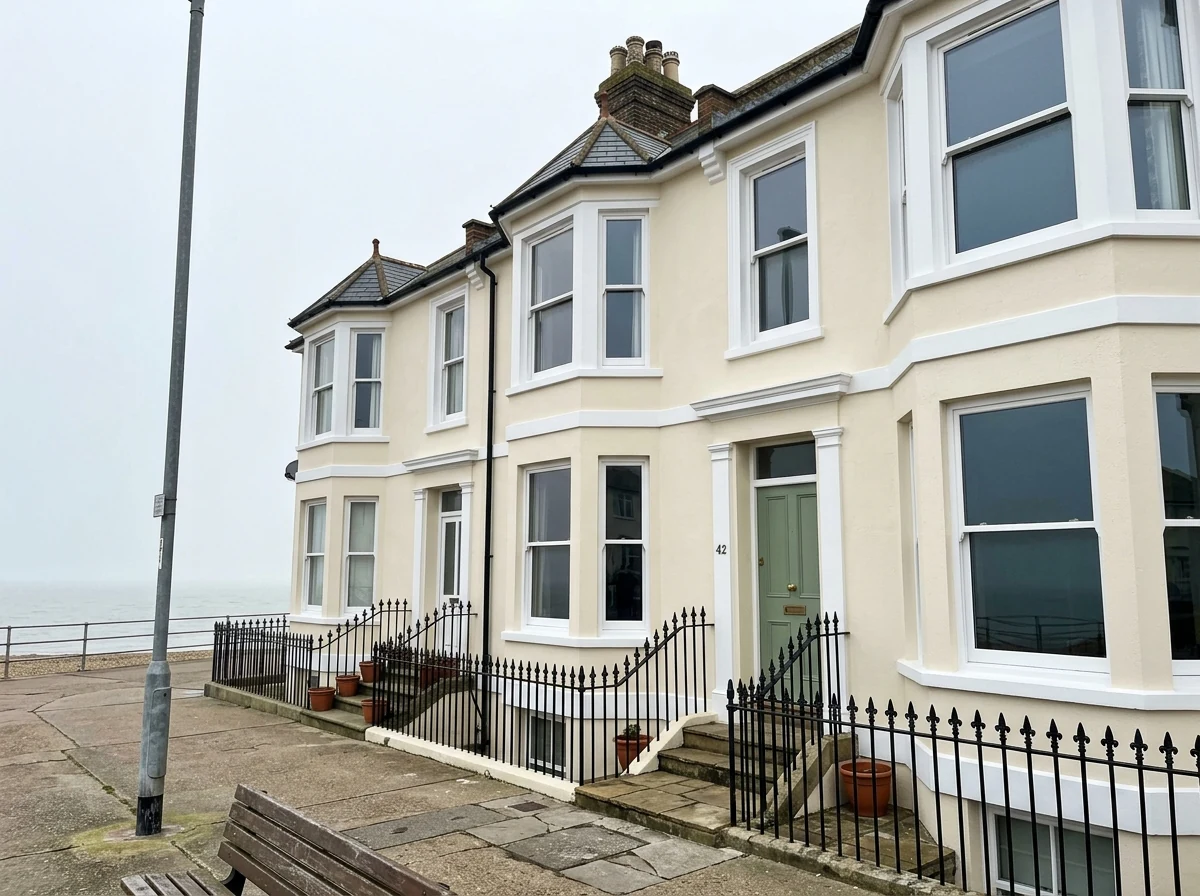
Canterbury Decorators — conservation area painting in Canterbury, delivered by a trusted local decorator.
Painting homes in Canterbury’s conservation areas — the walled city, Whitstable, Herne Bay, and the surrounding villages. The right products and colours so the council doesn’t get involved.
- Colour guidance for conservation area exteriors
- Breathable mineral paint systems for lime render, stone, and flint
- Exterior joinery using appropriate grade products
- Written paint system documentation for consent applications
- Conservation area properties in Canterbury, Whitstable, Herne Bay, and the district villages
Call 01227 200884 for a free quote.
How Canterbury Decorators Works
Canterbury Decorators connects conservation-area homeowners with a trusted local decorator who knows the city council’s expectations and specifies breathable, period-appropriate systems. You ring us, we take your brief, and we put you in touch with the right decorator for the job. They handle the site visit, the written quote, the work, and the warranty — all direct with you.
Why Choose Canterbury Decorators
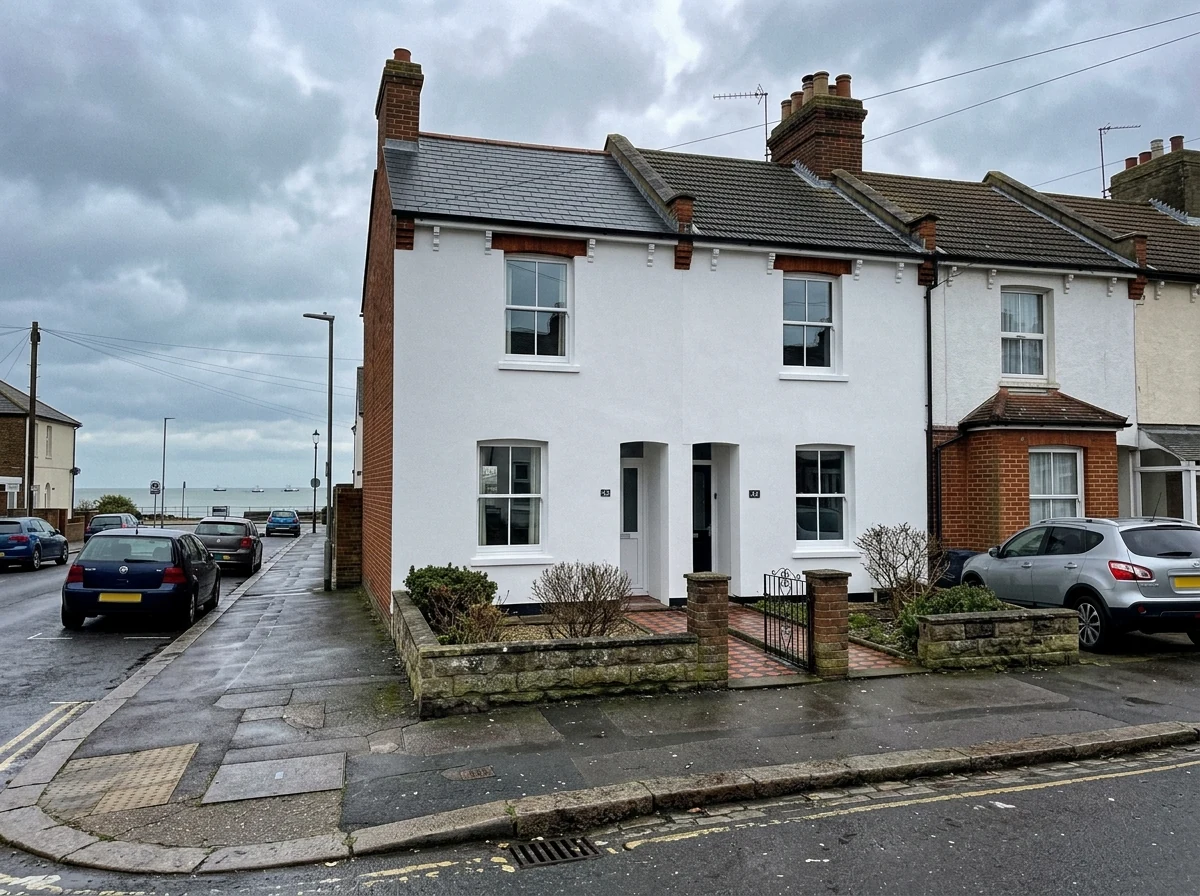
Conservation-area partner
Your decorator works regularly in Canterbury City Centre Conservation Area, Whitstable Conservation Area, and Herne Bay’s conservation area — knows what Canterbury City Council expects and flags concerns before work starts.
Correct product selection
Lime render and historic brick need breathable systems. The right product is specified for each surface rather than standard masonry paint across the board.
Written specification
Where consent applications require documentation, a written paint system record is produced as part of the project.
Clear pricing
Your decorator prepares a full written quote covering the scope of work.
Get My Free Quote
Speak to a conservation area painting specialist today
Conservation Area Painting in Canterbury
Canterbury City Centre Conservation Area
The city-centre area covers the walled city and its immediate surroundings — medieval streetscapes, Georgian townhouses, Victorian terraces, the Cathedral Precincts. Every external change must be in keeping, listed or not.
The palette reflects layered history: stone tones on medieval and Georgian fabric, painted brick on Victorian terraces, rendered stucco on St Dunstans Street. Modern saturated colours or gloss on traditional surfaces attract conservation officer attention.
Your decorator advises on colours appropriate to the specific street and period before paint is ordered. Advice is street-specific, not postcode-wide.
Properties on Palace Street, Best Lane, and within the Cathedral Precincts sit in the World Heritage setting and carry heightened oversight. Georgian terraces in Oaten Hill and Victorian villas in Nunnery Fields have their own established palette.
Consent: What You Can and Cannot Do
Repainting in the same or very similar colour — generally fine without consent, listed or not. Maintenance, not material change.
Changing colour on an unlisted building in a conservation area — usually no planning permission needed, but the result must still be in keeping. Enforcement is possible where a colour materially harms the area.
Changing colour on a listed building — any change to external appearance, including colour, may require listed building consent. Statutory, not judgment. See listed building decorating.
Your decorator advises on your specific situation at the site visit.
Lime Render, Flint, and Breathable Paint Systems
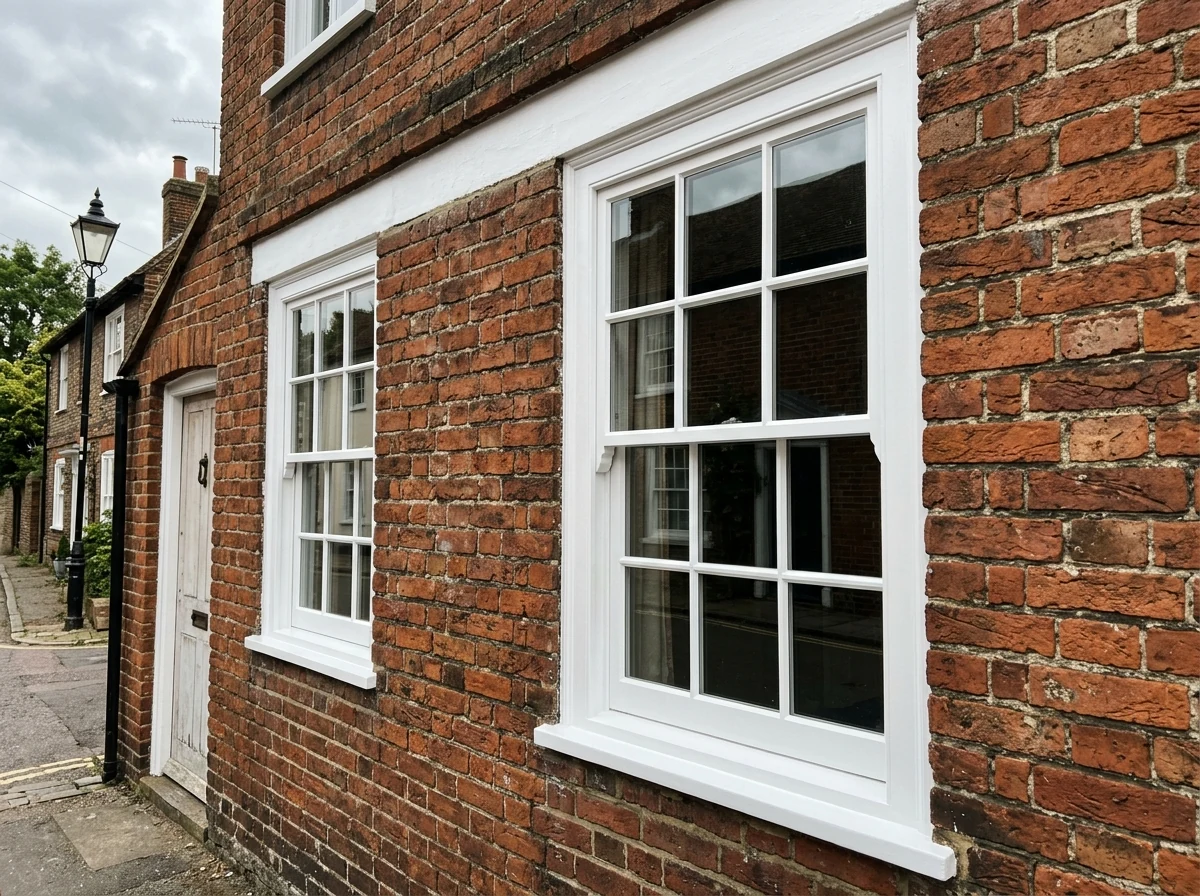
Canterbury’s historic fabric includes lime render, exposed flint, flint-and-brick, painted Victorian brick, and rendered stucco. Each needs a different approach.
Lime render requires a breathable mineral paint. Standard masonry traps moisture and causes failure, render deterioration, and blistering. Keim mineral paints (Granital, Soldalit) are the correct choice — breathable, UV-stable, more durable than standard masonry on historic surfaces.
Painted flint takes the same breathable system as lime render. Unpainted flint is best left so. Your decorator advises before any commitment.
See heritage paint and finishes for full background.
Whitstable Conservation Area
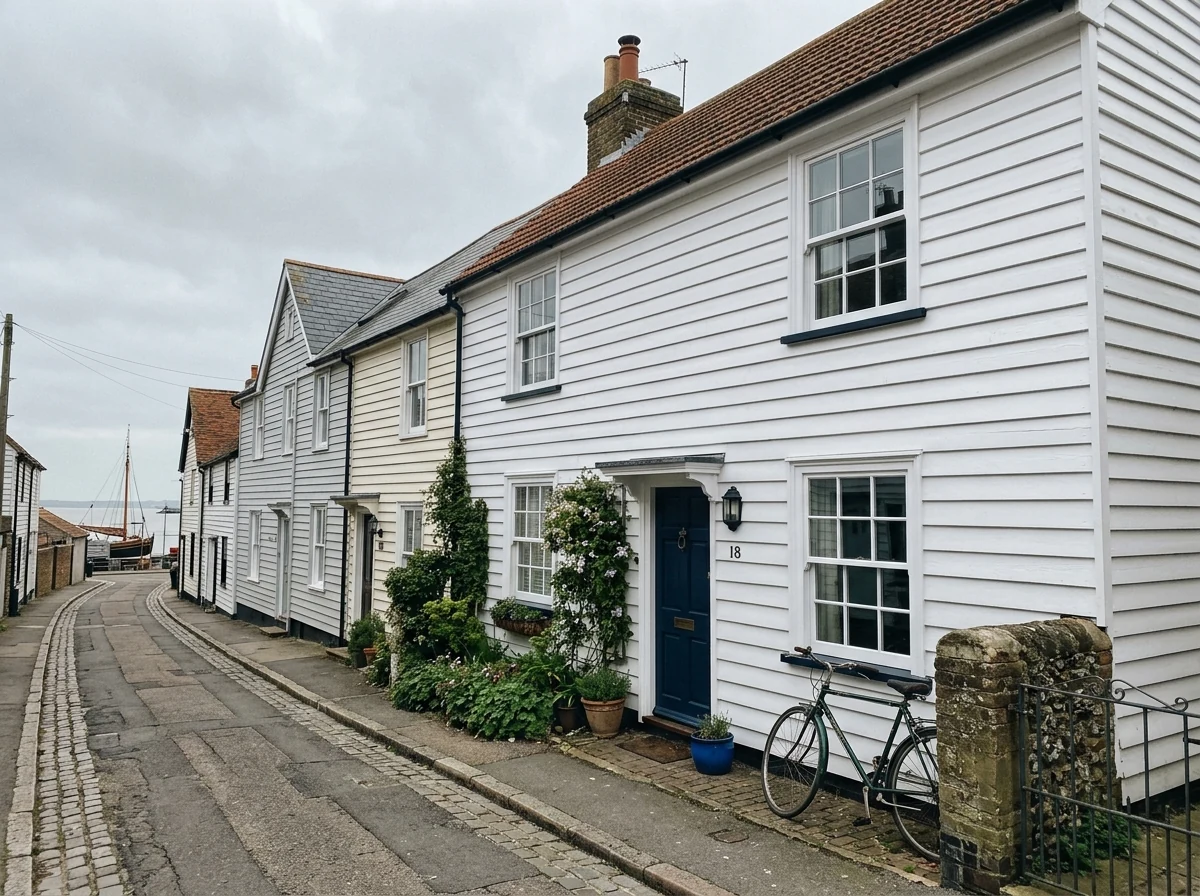
Centred on Harbour Street, Middle Wall, and the fishermen’s cottage cluster. The character is small-scale Victorian and earlier cottages — painted timber joinery, pastel rendered and weatherboard facades, harbour setting.
Canterbury City Council publishes colour guidance. The palette is softer than many homeowners expect: pale blues, soft whites, light stone, warm creams. Strong saturated colours aren’t typical.
The coastal context adds a requirement inland areas don’t have: the breathable system must also resist salt air. Keim mineral paint covers both.
Herne Bay Town Centre Conservation Area
The Victorian seafront and the streets behind: painted rendered facades, large windows, the Central Parade frontage. External colour changes must suit this character.
West-facing elevations on Central Parade and Western Esplanade take direct wind-driven rain. Marine-grade or high-flexibility coatings on render, appropriate products on timber. Standard spec doesn’t apply on the seafront.
Get My Free Quote
Get a free quote for your conservation area property
Here’s How It Works
1. Site assessment and designation check
Your decorator visits and confirms: which conservation area, is the building listed, and what surfaces are present (lime render, brick, flint, later cement render, original timber joinery).
2. Colour and product advice
Colours appropriate to the building period and street character are advised on. Whether the proposed colour is likely to attract conservation officer scrutiny is flagged. The correct product is specified for each surface.
3. Written paint system record
The primer and finish for each surface are confirmed. Written documentation is provided where needed for consent applications.
4. Preparation
Failing coatings removed where required. Biological growth treated. Lime render assessed for cracks and hollow sections. Timber assessed for soft areas and failed putty. New coatings are not applied over failing surfaces.
5. Application
Products applied in correct sequence with adequate drying intervals. Work runs in appropriate weather conditions.
6. Inspection and completion
Walk-through with you before leaving.
Conservation Area Painting Costs in Canterbury
Conservation area painting typically runs 20–40% more than equivalent standard exterior work — specialist breathable systems, longer prep, and the care needed to avoid rework.
Surface Type
Breathable mineral systems cost more per litre and need longer drying intervals.
Property Scale
A St Dunstans Georgian townhouse covers far more surface than a small fishermen’s cottage.
Preparation Scope
Properties with previous non-breathable coatings need more prep before the correct system can go on. Whitstable conservation area fishermen’s cottage (two-storey, rendered walls, original timber joinery, marine-grade coastal): £2,800 to £5,500. Canterbury city-centre Georgian townhouse, conservation area (full exterior, lime render, breathable mineral system, sash windows): £5,000 to £9,000. Herne Bay seafront property, conservation area (rendered exterior, high-exposure west-facing elevation, marine-grade): £3,500 to £6,500.
Call 01227 200884 to arrange a site visit and written quote. For listed building obligations specifically, see our listed building decorating page.
Conservation Area Painting FAQs
Get My Free Quote
Fill in the form below for a free quote: