
Listed Building Decorating in Canterbury
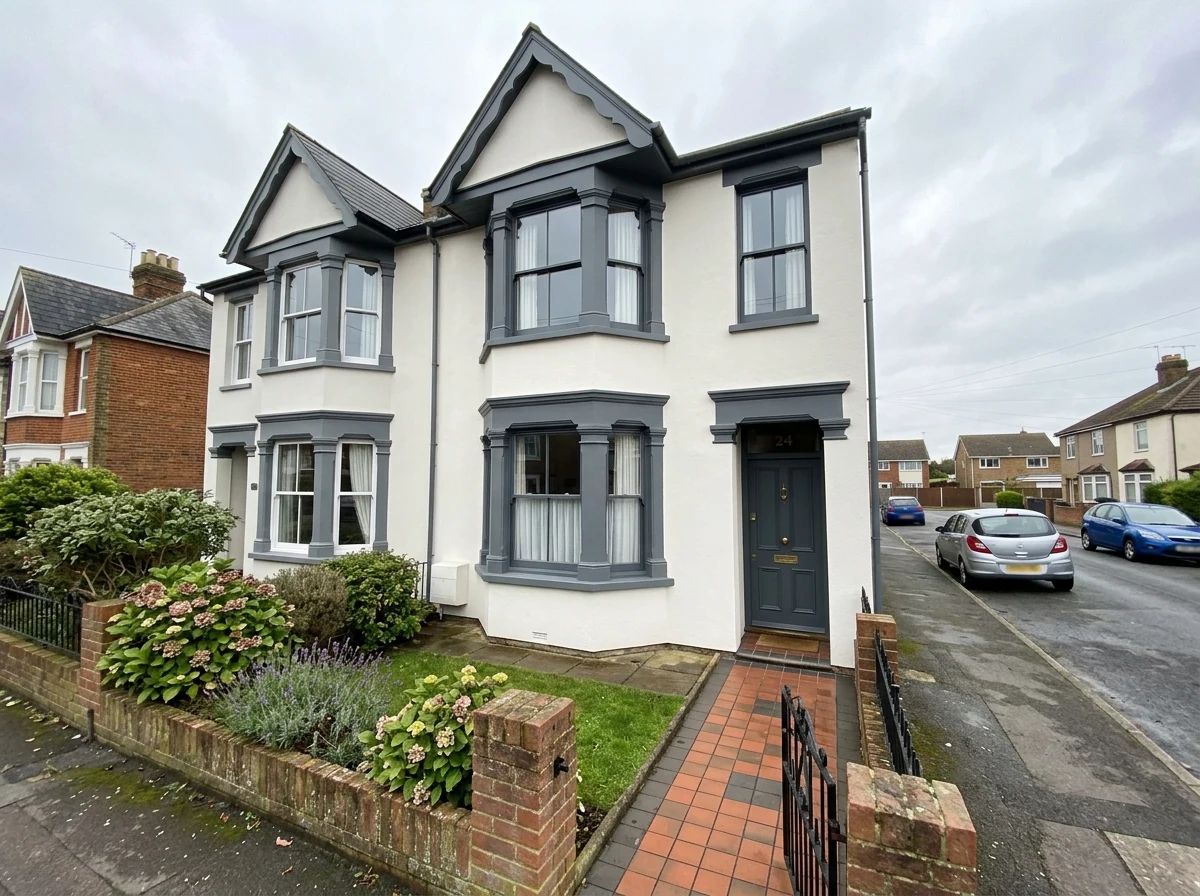
Canterbury Decorators — listed building decorating in Canterbury, delivered by a trusted local decorator covering the historic city core, the wider district, and listed stock across Whitstable, Herne Bay, and Faversham.
Decorating a listed home needs the right paint and, often, council consent. Your decorator handles both.
This page focuses on the consent process. For products and techniques, see heritage paint and finishes. For unlisted properties in conservation areas, see conservation area painting.
What’s covered:
- Consent advice at quotation stage: what requires approval and what does not
- Breathable mineral and lime-compatible paint systems for listed exteriors
- Interior decoration of listed buildings over original lime plaster
- Original joinery refinishing on Canterbury’s listed properties
- Written paint system documentation to support listed building consent applications
Call 01227 200884 for a free quote.
How Canterbury Decorators Works
Canterbury Decorators connects Canterbury homeowners with a trusted local decorator. You ring us, we take your brief, and we put you in touch with the right decorator for the job. They handle the site visit, the written quote, the work, and the warranty — all direct with you.
Why Choose Canterbury Decorators
Correct Materials
Breathable mineral systems, lime-compatible primers, and period-appropriate products for original joinery. The wrong product on a listed building traps moisture and can trigger enforcement.
Consent Knowledge
Your decorator advises on what needs listed building consent before work starts. Canterbury City Council’s conservation team is active in the historic core.
Written Specification
Written paint system documentation can be produced for listed building consent applications at no additional charge.
Clear Pricing
Your decorator prepares a written quote covering the scope of work.
Get My Free Quote
Speak to a listed building decorating specialist today
Listed Building Decorating in Canterbury
What Requires Listed Building Consent
Listed building consent is required for works that affect the special architectural or historic interest of a listed building — a statutory requirement under the Planning (Listed Buildings and Conservation Areas) Act 1990. The obligation rests on the property owner.
Typically requires consent: changing the external colour; changing the type of paint system on a historic external surface (e.g., limewash to mineral paint); any external physical alteration, including repair or replacement of original joinery.
Typically does not require consent: repainting in the same or very similar colour using a compatible product; internal decoration that does not touch original historic fabric; routine maintenance that preserves the building’s character. Your decorator advises on your specific situation at the site visit.
Canterbury’s Grade I and Grade II Listed Stock
Canterbury has around 740 listed buildings within the city boundary, alongside the World Heritage Site designation covering the Cathedral, St Augustine’s Abbey, and St Martin’s Church.
Grade I listed buildings — Cathedral Precincts, Westgate Towers — are of exceptional interest and carry the most stringent restrictions. Grade II makes up the majority of the city’s listed stock: medieval timber-framed properties in the historic centre, Georgian townhouses on St Dunstans Street and Palace Street, Victorian terraces in Wincheap and Northgate, and rural listed cottages in the villages.
Each grade and period brings different consent thresholds and material requirements. Your decorator identifies the listing grade, description, and constraints at the site visit.
Medieval Timber-Framed Properties
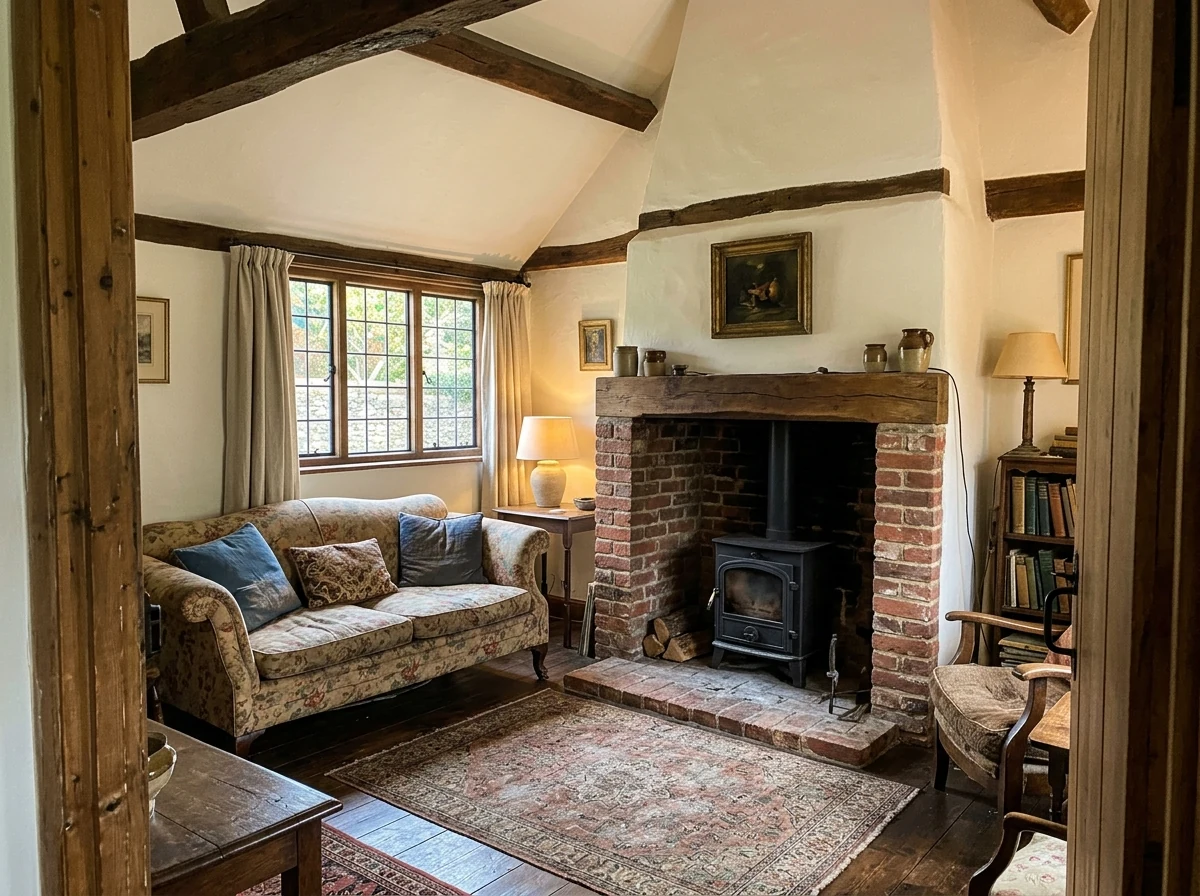
Canterbury has many medieval properties around Burgate, Mercery Lane, and the Buttermarket. Most have oak timber frames beneath later plaster renders. These walls rely on breathability to move moisture through the structure.
Non-breathable modern masonry paint over lime render traps moisture. Over time, render delaminates and paint blisters. The right specification is limewash or breathable Keim mineral paint on lime render outside; breathable emulsion on original lime plaster inside. Full background: heritage paint and finishes.
Georgian Listed Properties: St Dunstans, Palace Street, and Best Lane
Canterbury’s Georgian residential stock is concentrated around the historic centre. Typically brick-built with lime mortar pointing and original lime plaster internally. Many sit at Grade II inside the Canterbury Conservation Area — a dual requirement.
Externally, colour changes need consent and must suit the Georgian character of the street. Internally, original lime plaster needs breathable primers. Where rooms have been replastered in gypsum, the requirements differ. Plaster type is assessed on site.
Original Joinery on Listed Buildings
Canterbury’s listed buildings retain Georgian sash windows, Victorian panelled doors and picture rails, medieval exposed beams, and original shutters in the Georgian properties near the Cathedral.
Original joinery is treated carefully. Sash windows aren’t painted over without proper profile preparation. Traditional oil-based eggshell or compatible microporous systems are the right products on aged timber.
Get My Free Quote
Get a free quote for your listed building project
Here’s How It Works
1. Site Assessment
Your decorator identifies listing grade, conservation area overlap, and surface types (lime plaster, lime render, limestone, brick with lime pointing, original joinery). They advise on the consent position.
2. Paint System Documentation
Primer and finish specified per surface. Written specification produced where needed for consent applications.
3. Preparation
Failing coatings are removed rather than overcoated. Lime plaster is checked for loose sections. Original joinery profiles are prepared without obscuring detail.
4. Paint Application
Correct sequence with adequate drying windows. Mineral paint systems have longer open times than standard paint.
5. Inspection and Completion
All surfaces checked in good light. Walk-through with you before closing out.
Listed Building Decorating Costs in Canterbury
Prices are estimates — every listed building is different. Call 01227 200884 for a precise quote.
Listed building work typically carries a 20 to 40 percent premium over equivalent standard work — specialist breathable systems, longer preparation, and care on historic fabric.
Surface Type and Product
Breathable mineral and silicate-based systems cost more per litre than standard masonry paint and require longer drying intervals.
Property Scale and Period
A large Georgian townhouse with multiple principal rooms and original joinery throughout is substantially larger than a small Victorian terrace in Wincheap.
Preparation Scope
Removing failed non-breathable coatings from lime plaster or render before the correct system goes on adds time and cost.
Typical ranges: Grade II listed Wincheap Victorian terrace (full interior, breathable emulsions, original joinery): £3,000 to £5,500. Grade II listed Georgian townhouse, St Dunstans Street (interior breathable emulsions, exterior mineral paint, sash windows): £6,000 to £12,000 depending on scale. Whitstable listed fishermen’s cottage (exterior breathable coastal system, interior): £3,500 to £6,500. Call 01227 200884 for a site visit and written quote.
Listed Building Decorating FAQs
Get My Free Quote
Fill in the form below for a free quote: